
Australian childcare center owners frequently overlook essential coverage for professional indemnity, cyber security, and management liability. Addressing these childcare insurance gaps Australia ensures that centers are protected against claims involving educator errors, data breaches, or employment disputes. Regular policy audits help maintain comprehensive protection for both the business and the children in its care.
Running a childcare centre in Australia involves managing a complex web of regulatory requirements and duty of care obligations. While most owners maintain standard business insurance, many are unaware that generic policies often contain significant exclusions that leave their assets exposed. A single uncovered incident, such as a misunderstanding of professional indemnity versus public liability, can jeopardize your reputation and financial stability. It is essential to understand where these vulnerabilities lie before a crisis occurs. In this guide, we explore seven critical insurance gaps that frequently catch providers off guard; including inadequate malpractice sub-limits and the complexities of business interruption. You will learn how to identify these hidden risks and conduct a comprehensive audit to ensure your centre remains fully protected against the evolving challenges of the childcare sector.
Why Standard Business Policies Often Fail Australian Childcare Providers
Childcare is a high-risk, highly regulated sector operating under the National Quality Framework (NQF). Unlike a retail shop or a standard office, your facility is responsible for the safety and developmental well-being of vulnerable children. This creates a risk profile that generic business policies are simply not designed to handle. A standard commercial policy typically focuses on basic property damage and general accidents, whereas a specialist childcare policy must address intricate professional duties and regulatory requirements.
Focusing solely on the lowest premium often leads to massive out-of-pocket expenses during a claim. These costs arise from an insurance gap, which is a specific point where your professional activities exceed the scope of your policy coverage or hit restrictive sub-limits. In the Australian market, Public Liability insurance is mandatory, but a standard version may lack the nuances required for NQF compliance.
Without specialist Professional Indemnity or tailored wording, you may find that the savings made on your annual premium are quickly erased by the legal fees required to defend a claim that falls into a gap. Understanding these childcare insurance gaps Australia providers face is the first step in ensuring your centre is genuinely protected. Relying on a generic policy often means you are inadvertently self-insuring against the most catastrophic risks in the sector.
1. Inadequate Sub-limits for Sexual Malpractice and Molestation

A $20 million Public Liability insurance policy sounds comprehensive on paper, but the headline figure is often deceptive. Many generic commercial policies include a restrictive sub-limit for sexual malpractice and molestation, which caps coverage for these specific events to a small fraction of the total limit. It is not uncommon to see these sub-limits as low as $1 million or $2 million, while some policies exclude the risk entirely. For a centre in New South Wales, where legal costs and court awarded damages can escalate rapidly, such a low cap represents one of the most dangerous childcare insurance gaps Australia providers face.
These claims are typically long tail, meaning the alleged incident may occur today, but a claim might not be brought forward until years or even decades later when the child reaches adulthood. This makes the distinction between Occurrence Based and Claims Made wording critical for long term security. An occurrence based policy triggers coverage based on when the incident happened, which is the preferred standard for this risk. In contrast, a claims made policy only covers you if the policy is active at the time the claim is lodged. If you cancel a claims made policy or move to a different insurer without securing retroactive cover, you could be left personally liable for past incidents.
Reviewing your policy schedule for these specific sub-limits is a non-negotiable task for any director. You must ensure that the definition of an insured person extends beyond the owner to include all employees, volunteers, and students on placement. Without specialist wording that accounts for the unique legal environment in Sydney and the broader NSW jurisdiction, a single claim could easily exceed a standard sub-limit, leaving your business assets and personal livelihood exposed.
2. Confusing Professional Indemnity with Public Liability
Distinguishing between Public Liability insurance and Professional Indemnity is essential for any NSW provider. In plain English, Public Liability is designed to cover 'slips and trips.' It protects your centre if a parent falls on a wet floor or a child is injured because of a faulty gate. It focuses on the physical environment and general accidents.
Professional Indemnity, however, covers your 'errors in professional duty.' This includes failures in developmental assessments, curriculum delivery, or, most critically, the implementation of medical and dietary plans. One of the recurring childcare insurance gaps Australia centres face is having a high Public Liability limit while maintaining negligible or zero Professional Indemnity cover.
Consider a scenario where a child with a known anaphylactic allergy is accidentally given food containing an allergen. While the result is a physical injury, the root cause is a failure to follow a professional medical management plan. A standard Public Liability policy might exclude this because it stems from a professional service failure rather than a simple accident. If your policy wording is not integrated correctly, the director may be left personally exposed to legal action. Ensuring your coverage accounts for both physical accidents and professional oversights is the only way to avoid these costly legal technicalities.
3. Underestimating Business Interruption and Gross Profit Definitions
Many Sydney providers mistakenly believe that insuring their total revenue is enough to keep the doors open after a major property loss. This misunderstanding of Business Interruption (BI) definitions creates one of the most significant childcare insurance gaps Australia centres face. In insurance terms, Gross Profit is calculated by taking your turnover and subtracting uninsured working expenses, which are the costs you only incur when children are present, such as food and hygiene products. If you calculate your BI cover based on a generic definition of revenue, you might find your claim payment falls short of covering essential fixed costs, including rent and key staff salaries, during a shutdown.
The time required to return to full operation is also frequently underestimated. Given current Sydney construction costs and labour shortages, rebuilding a damaged facility is a slow process; however, the physical build is only the first step. You must also navigate the regulatory requirements of the Australian Children’s Education and Care Quality Authority (ACECQA) and local NSW authorities to re-obtain approvals and ratings. A standard 12 month indemnity period is often insufficient for these modern regulatory hurdles. If your indemnity period ends while you are still waiting for final department sign-offs, the resulting cash flow gap can lead to permanent closure.
While Public Liability insurance covers the accidents that happen on-site, Business Interruption protects your ability to pay the bills when the site is gone. Specialist policies should account for extended timelines, ensuring that your insurance continues to pay for your overheads while you work through the complexities of re-certification. Ensuring your policy reflects the reality of NSW property markets and regulatory frameworks is critical for long term business resilience.
4. Employment Practices Liability Gaps in Management Liability
Many Sydney centre owners mistakenly view Management Liability as a policy that solely protects directors from personal asset seizure. In reality, the most significant risk within this cover is Employment Practices Liability (EPL). Given that staffing is the largest overhead for early learning providers, the exposure to Fair Work Australia claims is substantial.
The legal landscape for Australian employers is increasingly complex. Allegations of unfair dismissal, workplace bullying, or harassment are unfortunately common in high pressure environments. One of the primary childcare insurance gaps Australia directors face is assuming a basic liability policy will handle these disputes. Without robust EPL coverage, your centre is responsible for the legal fees required to respond to a Fair Work Commission application. These costs frequently reach tens of thousands of dollars before a case even reaches a hearing.
Even when a centre has followed all internal HR protocols and acted lawfully, the cost of proving your compliance is a heavy financial burden. A specialist policy ensures that you have access to expert legal counsel to defend the reputation and finances of your business. Relying on a generic policy often excludes these specific employment related triggers, leaving the entity to foot the bill for expensive industrial relations lawyers.
5. The Digital Blind Spot: Cyber Insurance and Sensitive Data

While personnel management risks involve physical staff and documentation, the shift toward paperless operations has introduced a new, invisible vulnerability. Modern childcare centres in Sydney rely heavily on digital platforms to manage sensitive information, including health records, immunisation history, Centrelink Reference Numbers (CRNs), and family contact details. This wealth of personal data makes providers a prime target for cybercriminals, yet cyber protection remains one of the most overlooked childcare insurance gaps Australia centres experience.
A standard business policy typically lacks the coverage required to meet mandatory reporting obligations under the Privacy Act. If a breach occurs, the centre is legally responsible for the significant costs of forensic investigations, legal advice, and notifying every affected family. Furthermore, basic cyber add-ons frequently exclude social engineering incidents. This is a common scenario where staff are tricked via email into paying a fraudulent invoice or changing bank details for a regular supplier. While Management Liability addresses certain corporate exposures, it rarely covers the immediate operational fallout and financial restoration required after a digital attack.
6. Uninsured Incursions and Excursions
While digital threats represent an invisible risk, physical movement beyond your centre’s boundary presents a significant tangible exposure. Many generic policies include radius restrictions that limit coverage to within a specific distance from your registered address. If your Sydney centre organises an excursion to a regional park or a CBD museum that falls outside this specified zone, your Public Liability insurance may not respond to an incident. This geographical limitation is one of the more subtle childcare insurance gaps Australia providers encounter.
Furthermore, certain high risk activities, such as water based play or bushwalking, are frequently excluded from standard wording. If a child is injured during a bus trip or while participating in an off-site incursion, your liability must follow the activity without restrictive exclusions. A specialist policy ensures that the duty of care you owe to children is protected wherever your educators take them. Reviewing your policy for activity based exclusions is vital to ensure that learning experiences outside the classroom do not lead to an uninsured disaster.
7. Statutory Liability and Regulatory Fines
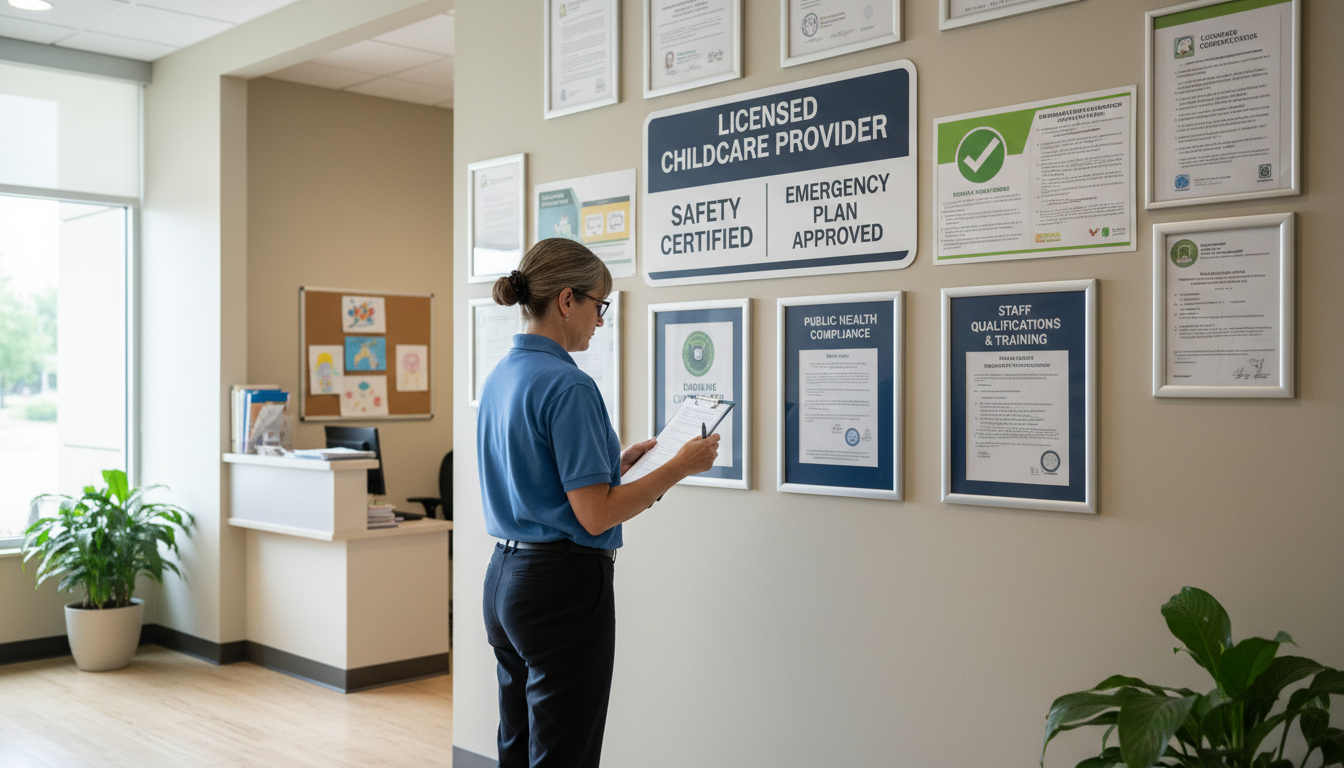
Childcare operates under the Education and Care Services National Law, making it one of the most strictly overseen sectors in New South Wales. When an incident occurs, even one that does not result in a physical injury, the NSW Department of Education may investigate. These investigations can lead to formal proceedings or significant fines for breaches of safety and health regulations.
A common misunderstanding in the sector is that Management Liability or a general policy will pay the fine itself. In many Australian jurisdictions, insuring against a criminal or statutory fine is restricted or prohibited. However, a significant gap occurs when the policy also excludes the legal representation costs associated with the investigation. Defending your centre against a regulatory body requires specialist legal counsel. Without specific Statutory Liability coverage, you may be forced to pay for these expensive lawyers out of pocket, regardless of the outcome. This lack of defense funding is one of the most punishing childcare insurance gaps Australia providers face; the costs of representation often exceed the value of the fine itself.
How to Conduct a Childcare Insurance Gap Audit

Identifying these childcare insurance gaps Australia centres face requires a proactive review rather than waiting for a claim to reveal a deficiency. A thorough gap audit starts with your policy schedule and a critical eye on the fine print. Directors should prioritise three specific areas during this review:
Sub-limit scrutiny: Check your Public Liability insurance for specific limits on molestation and abuse. If this figure is significantly lower than your primary limit, your assets remain at risk in a long-tail claim scenario.
Indemnity period verification: Ensure your Business Interruption cover extends beyond a standard 12 month period. In the current NSW market, the combination of construction delays and the time required for ACECQA re-approvals often necessitates 18 to 24 months of coverage.
Vicarious liability confirmation: Confirm that your Professional Indemnity and Management Liability policies explicitly include vicarious liability. This ensures the centre as a legal entity is protected from the financial fallout of an individual staff member’s professional error or misconduct.
Moving away from generic, direct online insurers is the most effective way to eliminate these risks. Specialist brokers who focus exclusively on the early learning sector can translate complex policy wording into plain English. This professional consultation ensures you understand the operational reality of your coverage, turning insurance from a mandatory expense into a robust strategy for business continuity.